Why the Art of Zoo Keyword Is Misleading
A harmless-sounding phrase can be attached to content that has little to do with zoology or art. Some websites use vague names to attract clicks or make questionable pages appear safer than they are.
Context matters. A museum page about animal sculpture is very different from an anonymous streaming site filled with redirects and fake play buttons. Users should check the domain, description, reputation, and purpose before opening an unfamiliar result.
Genuine Wildlife Art Versus Exploitation
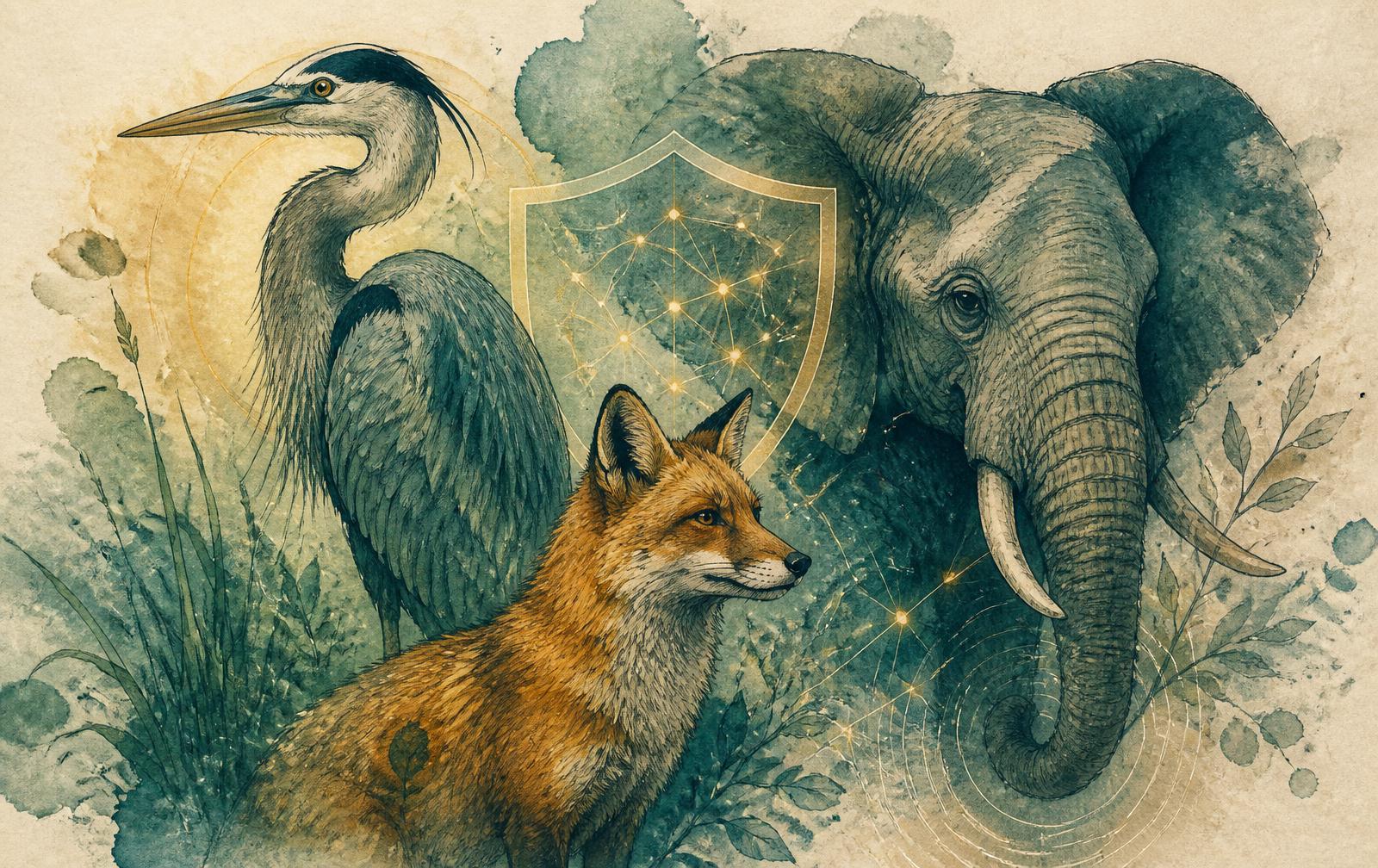
Authentic wildlife art includes painting, photography, illustration, sculpture, animation, and documentaries. It can increase interest in conservation, teach people about habitats, and encourage respect for living creatures. Responsible creators avoid frightening, restraining, or injuring animals merely to obtain dramatic footage.
Sexual contact between humans and animals does not become acceptable because it is recorded or described as art. The ASPCA considers such contact to be animal exploitation regardless of the human participant’s claimed intention.
Respectful animal content is based on observation, welfare, education, or conservation. Exploitative material treats a living creature as an object and may encourage further abuse. Readers comparing sources can review this guide to ethical animal content and online safety before following unfamiliar search results.
Animal Welfare and Consent Concerns
Animals cannot understand the purpose of a human sexual act or provide informed human consent. They may experience fear, stress, restraint, injury, or behavioural harm. The absence of obvious wounds does not make the situation harmless.
Definitions of animal cruelty vary by location, and a legal finding depends on investigation. The ASPCA explains that cruelty may include deliberate harm and neglect and advises contacting the responsible local agency.
Legal Issues Around Harmful Animal Content
The law is not identical in every country, state, or territory. Some jurisdictions directly prohibit sexual acts involving animals, while others use animal-cruelty, obscenity, or harmful-content laws. Rules covering production, possession, sale, and online distribution may also differ.
In the United States, federal authorities have prosecuted people who created or distributed obscene animal-abuse material, including activity connected with paid online groups.
Online availability does not prove legality. Specific legal questions require advice from a qualified local lawyer.
Signs of an Unsafe Website
Suspicious websites often imitate video platforms or use fake security messages to pressure visitors. Warning signs include:
- A misspelled or unrelated domain name.
- Repeated pop-ups and automatic redirects.
- Fake players requesting an APK, extension, codec, or update.
- Demands for passwords, card details, or identity documents.
- Alerts claiming the device is infected.
- Requests for notification, camera, or microphone access.
- No clear owner, contact details, privacy policy, or moderation rules.
- Content that appears to involve abuse, coercion, or minors.
The Federal Trade Commission warns that malicious advertisements and cloned websites can install malware, steal information, and expose online accounts. It also advises users not to call numbers shown in suspicious pop-ups or install software from unexpected advertisements.
Common Risks and Safer Responses
| Online Risk | What May Happen | Recommended Action |
|---|---|---|
| Malware | A fake update downloads software | Close the site and scan the device |
| Phishing | A page asks for passwords or payment | Do not enter information |
| Notification spam | The browser receives repeated alerts | Remove the site's permission |
| Blackmail | A message claims activity was recorded | Do not pay; save and report it |
| Disturbing content | Unexpected abusive material appears | Leave immediately and do not share |
| Illegal content | Animal or child exploitation is suspected | Report through an official authority |
Malware may steal logins, monitor activity, or support identity fraud. The FTC recommends updated security tools and avoiding untrusted downloads.
What to Do After Opening a Harmful Page
Accidental exposure does not mean the visitor has done something wrong. Close the tab, cancel downloads, deny permissions, and clear the site’s browser data if it keeps returning.
If a file was installed, run a trusted security scan. Change exposed passwords from a clean device, enable multi-factor authentication, and contact the bank if payment details were entered. Never pay a blackmail demand; preserve the message and report it.
How to Report Suspected Abuse
Reporting should be factual and private. Do not download graphic files purely as evidence or repost them on social media. When safe, note the page address, platform, account name, date, and a brief non-graphic description.
Suspected animal cruelty can be reported to local police, animal control, or the organisation responsible for welfare investigations in that area. The correct agency depends on the location.
Safer Animal and Zoo Content
People genuinely interested in animals can use reputable zoos, museums, wildlife charities, and conservation organisations. Searches such as “ethical wildlife photography,” “zoo animal drawing,” or “wildlife conservation art” are less ambiguous.
Parents can use Safe Search, restricted profiles, content filters, and open conversations about misleading keywords. Children should know they can close a disturbing page and tell a trusted adult.
Conclusion
Art of Zoo is an ambiguous phrase that may appear harmless while leading to exploitative or unsafe material. Users should distinguish genuine wildlife creativity from content involving animal abuse and should never treat harmful material as normal entertainment.
Safer browsing means avoiding unknown downloads, protecting personal information, refusing blackmail demands, and using recognised reporting systems. Ethical animal content should educate, inspire, or support conservation without fear, coercion, injury, or exploitation.